Post-Strike Iran: Unpacking the Volatile Aftermath of Tehran Explosions and Trump's Call to Power
The Middle East finds itself on a knife-edge, reeling from a fresh wave of US-Israeli strikes on Iranian soil that have sent shockwaves across the region and beyond. As
Middle East Conflict Fears Soar: Iran Strikes Risk Regional War, a dramatic escalation unfolded on February 28th, marking the third consecutive day of concerted military action. With new explosions rocking the Iranian capital, Tehran, and a stunning report of the Supreme Leader's demise, the geopolitical landscape has been irrevocably altered. Amidst this chaos, former U.S. President Donald Trump has issued a controversial and direct appeal to the Iranian populace, urging them to "seize power" – a call that underscores the profound instability gripping a nation at a pivotal crossroads. This article delves into the unfolding events, analyzes the implications, and explores the immediate and long-term consequences of this perilous juncture for Iran and global stability.
Escalation Unveiled: The Immediate Aftermath of Tehran Explosions
The air over Iran has been thick with tension and the smell of gunpowder following what Israeli officials have termed "preventive strikes." Reports coming through various channels, mirroring the urgent nature of
Iran Strikes: Supreme Leader Ali Khamenei Killed Amid US-Israel Attacks, indicate multiple explosions within Tehran itself, signaling a direct and significant blow to the heart of the Islamic Republic. This latest offensive, reportedly a joint US-Israeli effort, comes after a period of intense saber-rattling and proxy conflicts that have long simmered in the region.
The specific targets and extent of the damage remain subjects of intense speculation and conflicting reports, but the very fact of explosions in Tehran underscores the severity of the situation. This is not merely a border skirmish; it represents a bold projection of force deep into Iranian territory, a move with monumental strategic implications. In response, Tehran reportedly launched its own retaliatory missiles towards Israel and other regional countries, escalating the tit-for-tat exchanges to an alarming degree.
The ripple effect is immediately apparent. Israel's announcement of creating a "buffer zone" in Lebanon suggests a preemptive measure to mitigate potential retaliation from Hezbollah, Iran's powerful proxy. This move alone points to the immediate fear of regionalization – a widening gyre of conflict that could pull Lebanon, Iraq, and the Gulf states into a full-blown conflagration. The global community watches with bated breath, seeking reliable
actualités iran direct as events unfold with unprecedented speed.
A Leadership Vacuum? The Reported Demise of Iran's Supreme Leader
Perhaps the most shocking development emanating from the strikes is the report of the death of Ayatollah Ali Khamenei, Iran's Supreme Leader, along with several other high-ranking Iranian officials. If confirmed, this would be an earthquake event for Iran and the entire Middle East. Khamenei has been the undisputed spiritual and political leader of Iran since 1989, a figure of immense authority and a symbol of the Islamic Revolution's continuity.
The sudden removal of such a central figure would trigger an immediate and potentially turbulent succession crisis within Iran's opaque power structures. Here are some immediate implications:
*
Internal Power Struggle: The death of a Supreme Leader invariably opens the door for jockeying among powerful factions – the Revolutionary Guard, various clerical bodies, and political elites. This could lead to internal instability, factional infighting, or even popular unrest if a clear successor is not swiftly and decisively established.
*
Shift in Foreign Policy: Khamenei's hardline stance on foreign policy, particularly concerning Israel and the United States, has been a defining characteristic of Iran's approach to the world. A new leader might usher in a period of continuity, or alternatively, a dramatic shift towards either greater pragmatism or even more aggressive confrontation, depending on their ideology and political alliances.
*
Impact on Regional Proxies: Iran's network of regional proxies, from Hezbollah in Lebanon to various militias in Iraq and Yemen, relies heavily on the ideological and financial support sanctioned by the Supreme Leader. A change at the top could disrupt these relationships, potentially weakening Iran's regional influence or, conversely, empowering new hardline elements.
The veracity of such a momentous claim about Khamenei's death demands rigorous verification, yet the very notion of it emerging amidst direct strikes underlines the severity of the current crisis. For many seeking
actualités iran direct, this report is the most critical piece of information, signifying a potential turning point in Iranian history.
Trump's Bold Gambit: A Call for Regime Change Amidst Chaos
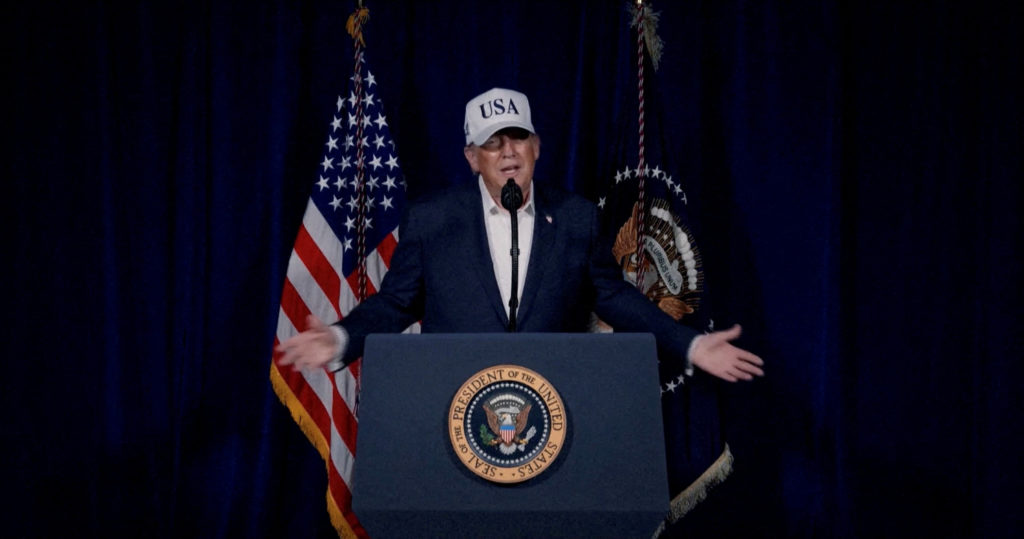
Against this backdrop of intense military action and political uncertainty, former US President Donald Trump has injected another explosive element into the situation. In what has been termed "Operation Fureur épique" (Epic Fury), Trump reportedly issued a direct appeal, inviting the Iranian people to "s'emparer du pouvoir" – to seize power.
This audacious call for regime change from a prominent international figure carries immense weight and multiple interpretations:
*
Aiding Dissidents: Trump's statement could be seen as an attempt to embolden internal opposition movements within Iran, providing a psychological boost to those disaffected with the current regime. Such a call, particularly following significant external strikes, might be intended to catalyze internal dissent into active rebellion.
*
Geopolitical Maneuver: From a strategic perspective, this could be an attempt to leverage the chaos and potential power vacuum to achieve long-standing US policy goals of undermining the current Iranian government. It aligns with a hawkish approach that views the current Iranian regime as a primary destabilizing force in the Middle East.
*
Risk of Miscalculation: However, such a direct appeal also carries significant risks. It could backfire, galvanizing nationalist sentiment against external interference and strengthening the hand of the very regime it seeks to overthrow. It also raises questions about the ethical implications of openly advocating for regime change in a sovereign nation, particularly during a period of acute crisis.
The implications of Trump's words, combined with the military actions, could shape the trajectory of Iran's future for decades. It adds another layer of complexity to an already volatile situation, making it harder for objective
actualités iran direct to cut through the noise of political rhetoric.
Regional Reverberations: The Specter of a Wider Conflict
The strikes and subsequent retaliations are not isolated events; they are part of a deeply interconnected web of conflicts and alliances across the Middle East. The fear of "régionalisation du conflit, du Liban à l’Irak, en passant par le Golfe" is palpable and well-founded.
*
Lebanon: Israel's declared "buffer zone" in southern Lebanon signals its readiness for a confrontation with Hezbollah, a heavily armed and politically influential proxy of Iran. Any large-scale engagement here would be devastating for Lebanon and risks drawing in other regional actors.
*
Iraq: Iraq, caught between US influence and Iranian-backed militias, is a constant flashpoint. Iranian retaliatory strikes or heightened activity by pro-Iran groups could easily destabilize the country further, jeopardizing its fragile sovereignty.
*
The Gulf: Saudi Arabia and other Gulf states, long wary of Iranian expansionism, are watching developments closely. Any escalation could threaten vital shipping lanes, oil infrastructure, and regional stability, impacting global energy markets.
The delicate balance of power in the Middle East has been severely disrupted. The events of February 28th represent a significant leap into the unknown, with the potential for unforeseen consequences that could engulf the entire region in a devastating war. Understanding these dynamics is crucial for anyone following
actualités iran direct and global security.
Navigating the Information Landscape: Tips for Understanding Current Events
In times of such intense crisis, reliable information is paramount. Here are some practical tips for staying informed and discerning truth from speculation:
*
Consult Multiple Sources: Rely on a diverse range of reputable news organizations from different geopolitical perspectives. Be wary of single-source reports, especially those circulated on social media.
*
Check for Verification: Look for information that has been independently verified or corroborated by multiple credible outlets. Claims of major events, like the death of a national leader, require the highest level of scrutiny.
*
Understand Bias: Every news source has a perspective. Be aware of potential biases and how they might shape the reporting. Read critically.
*
Context is Key: Don't just focus on the immediate headlines. Seek out analyses that provide historical context, geopolitical background, and expert opinions to understand the broader implications.
*
Beware of Disinformation: During conflicts, disinformation and propaganda efforts escalate. Be skeptical of emotionally charged content, unverified videos, or claims that seem too sensational.
Conclusion
The events unfolding in post-strike Iran mark a perilous new chapter for the Middle East. The reported death of Supreme Leader Ali Khamenei, the audacious US-Israeli strikes on Tehran, and Donald Trump's direct call for regime change have converged to create an explosive cocktail of uncertainty and danger. The immediate future is fraught with risk, as the region grapples with the specter of a widening conflict, internal power struggles within Iran, and the unpredictable consequences of external intervention. As the world watches for
actualités iran direct, the decisions made in the coming days and weeks will undoubtedly shape not only Iran's destiny but also the broader trajectory of international relations and global stability. The Middle East stands at a precipice, and the path forward remains shrouded in profound uncertainty.