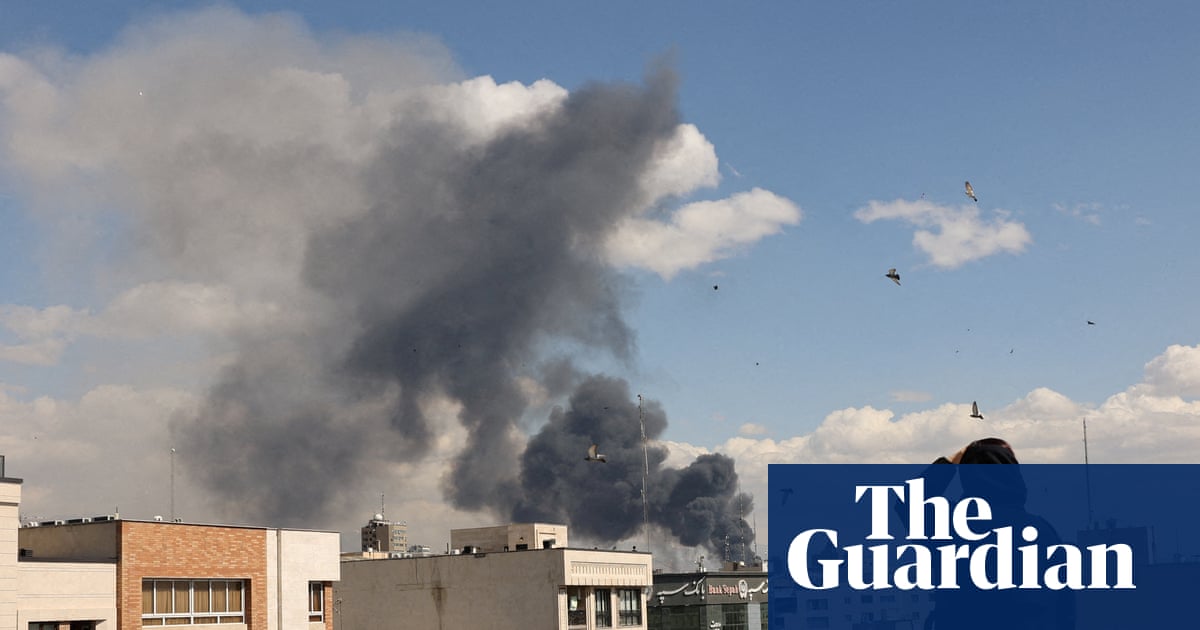
Middle East Conflict Fears Soar: Iran Strikes Risk Regional War
The Middle East finds itself on a razor's edge, with recent US-Israeli strikes on Iran and subsequent Iranian retaliation dramatically escalating tensions. Fears of a full-blown regional conflict, encompassing areas from Lebanon to Iraq and extending into the sensitive Gulf region, are intensifying with each passing hour. The rapid succession of events has left observers around the globe grappling with the implications of what could become one of the most significant geopolitical shifts in recent memory. For those following actualités iran direct, the situation remains fluid and highly unpredictable.
The Spark: Preventive Strikes and Escalatory Cycles
The latest conflagration began with a series of aggressive, preemptive strikes attributed to a coordinated effort between the United States and Israel. Israeli officials characterized these initial attacks as "preventive," aimed at neutralizing perceived threats originating from Iranian soil or its regional proxies. Such actions, while framed as defensive, inevitably trigger a cycle of retaliation, pushing the region further into instability. These strikes were quickly followed by widespread reports of explosions within Iran, particularly around Tehran, signaling a significant breach of Iranian airspace and potentially strategic targets.
The justification for such preventive measures often centers on intelligence suggesting imminent attacks or the development of capabilities deemed hostile. However, critics argue that "prevention" can easily be a pretext for aggression, especially in a region already brimming with historical grievances and intricate alliances. The speed and scale of these coordinated operations underscore a heightened level of readiness and determination from the US and Israel to confront what they perceive as Iran's destabilizing influence.
- Strategic Rationale: Israel and the US often cite Iran's nuclear program, its ballistic missile capabilities, and its network of proxy militias across the Middle East as primary threats justifying such interventions.
- International Law: The legality of preemptive strikes remains a contentious issue under international law, often debated against the principles of national sovereignty and the right to self-defense.
- Information Warfare: Amidst the kinetic strikes, a parallel information war unfolds, with each side presenting narratives designed to garner international support and justify their actions.
A Seismic Shift: The Death of a Supreme Leader and Internal Turmoil
Perhaps the most shocking development amidst these escalating strikes was the reported death of Iran's Supreme Leader, Ayatollah Ali Khamenei. News of his demise, along with other high-ranking Iranian officials, sent shockwaves through the country and across the globe. The passing of a figure as central and revered as Khamenei, who has guided Iran for over three decades, creates an immense power vacuum and introduces profound uncertainty regarding the nation's future trajectory. His death, directly linked to the US-Israeli strikes, adds an unprecedented layer of grievance and potential for further escalation.
Khamenei's leadership was characterized by a staunch anti-Western stance, a commitment to revolutionary ideals, and a complex system of governance blending religious authority with political power. His successor will face the immediate challenge of navigating a nation reeling from external attacks and internal instability, while also contending with the powerful Revolutionary Guard Corps (IRGC) and various political factions. The explosions reported in Tehran could also signify internal unrest or highly precise targeting capabilities, further destabilizing the regime's control.
The implications are far-reaching:
- Succession Crisis: The immediate focus will be on the process of selecting a new Supreme Leader, a decision that could dramatically alter Iran's domestic and foreign policy.
- Power Struggles: Various factions within the Iranian establishment, including the IRGC, the clerical establishment, and reformist elements, may vie for influence in the post-Khamenei era.
- Public Sentiment: The death of the Supreme Leader under such circumstances could galvanize public support for retaliation or, conversely, exacerbate existing frustrations with the regime.
This critical event has undoubtedly reshaped the landscape of Iranian politics and the broader regional conflict. For more details on this unprecedented development, refer to the detailed coverage in Iran Strikes: Supreme Leader Ali Khamenei Killed Amid US-Israel Attacks.
Iran's Retaliation and the Echoes of "Epic Fury"
True to form, Iran's response to the US-Israeli strikes was swift and unequivocal. Tehran launched a barrage of missiles, targeting not only the "Zionist entity" but also other countries in the region perceived as complicit or hosting hostile forces. This direct retaliation marks a significant departure from previous proxy conflicts, bringing the main actors into direct confrontation. The naming of this retaliatory operation as "Fureur Épique" (Epic Fury) by Iranian officials signals a deep sense of anger and a commitment to a forceful response.
Amidst this volatile backdrop, former US President Donald Trump issued a provocative call, urging the Iranian people to "s'emparer du pouvoir" (seize power). Such pronouncements, while intended to foment internal dissent, often have complex and unpredictable effects. They can be seen as either a beacon of hope for opposition movements or as an external interference that strengthens the regime's narrative of defending against foreign aggression.
The dynamics of this "Epic Fury" operation and Trump's contentious remarks are crucial for understanding the present crisis:
- Direct Engagement: Iran's direct missile strikes against Israel and regional targets elevate the conflict beyond proxy warfare, increasing the risk of widespread escalation.
- Propaganda & Morale: Naming the operation "Epic Fury" serves as a powerful message of resolve and defiance, both internally and externally.
- External Influence: Trump's call for regime change directly injects the debate over Iran's internal governance into the international arena, complicating diplomatic efforts.
The impact of these missile strikes and the political rhetoric surrounding them are further explored in Post-Strike Iran: Trump's Call to Power After Tehran Explosions.
Regional Ripple Effects: From Lebanon to the Gulf
The specter of regionalization looms large over the current crisis. The phrase "from Lebanon to Iraq, passing through the Gulf" perfectly encapsulates the geographic breadth of concern. Israel's announced intention to create a "buffer zone" in southern Lebanon, a move reminiscent of past conflicts, immediately raises alarm bells for escalating tensions with Hezbollah, Iran's most potent proxy force in the Levant. Any significant military incursion or protracted presence in Lebanon would inevitably draw Hezbollah into a direct and destructive conflict, with immense implications for both nations.
Further east, Iraq remains a critical battleground for influence between the US and Iran. Iranian-backed militias in Iraq could easily be activated to target US interests or contribute to regional instability. The Gulf states, particularly Saudi Arabia and the UAE, are watching developments with extreme apprehension. Their proximity to Iran and vital shipping lanes in the Strait of Hormuz make them highly vulnerable to any expansion of the conflict. Oil prices, already volatile, would likely skyrocket, triggering global economic repercussions.
Potential regional flashpoints include:
- Lebanon: A direct confrontation between Israel and Hezbollah would be devastating, potentially drawing in other regional actors.
- Iraq/Syria: Proxy forces and residual conflicts could intensify, further destabilizing already fragile states.
- Yemen: The Houthi rebels, backed by Iran, could escalate attacks on shipping or regional rivals, disrupting global trade.
- Strait of Hormuz: Any disruption to this vital chokepoint for oil transport would have catastrophic global economic consequences.
Analysis & Outlook: Navigating an Unpredictable Future
The current state of actualités iran direct suggests a region teetering on the brink. The calculated risks taken by all parties, coupled with the unprecedented death of Iran's Supreme Leader, have created an incredibly volatile environment. While a full-scale regional war would be devastating for all involved, the pathways to de-escalation are becoming increasingly narrow.
One critical factor will be the international community's response. Calls for restraint and diplomatic intervention will intensify, but their effectiveness will depend on the willingness of key players to engage in meaningful dialogue. Sanctions, diplomatic pressure, and multilateral negotiations may be explored, but trust between adversaries is at an all-time low.
Practical Insights for Understanding the Crisis:
- Diversify News Sources: Rely on multiple reputable international news outlets to get a balanced perspective, as propaganda is rampant.
- Understand Historical Context: The current crisis is deeply rooted in decades of geopolitical maneuvering, historical grievances, and religious/ideological divides. Understanding this context is key.
- Monitor Economic Indicators: Keep an eye on global oil prices, stock markets, and shipping indices, as these are often immediate barometers of escalating conflict.
- Recognize Proxy Dynamics: Many actions are carried out by proxy groups; understanding their allegiances and capabilities helps grasp the full scope of regional influence.
- Prepare for Volatility: For businesses and individuals with interests in the region or globally, expect continued uncertainty and market fluctuations.
In conclusion, the Middle East is facing one of its most perilous moments in modern history. The US-Israeli strikes, Iran's retaliatory "Epic Fury," and the monumental death of Ayatollah Ali Khamenei have woven a tapestry of escalating threats and profound instability. The fears of a regional war spreading from Lebanon to the Gulf are not hypothetical but increasingly tangible. As the world watches these unfolding actualités iran direct, the path forward remains fraught with danger, demanding cautious diplomacy, strategic foresight, and an urgent pursuit of de-escalation to prevent a catastrophe of unimaginable proportions.